Trim Installation in Lancaster, MA
Early homes in Lancaster, MA have interior trim that hardware stores don't sell. Molded casings, chair rails and wainscot follow profiles from two centuries ago. Hendo Construction mills and installs matching trim in Lancaster homes.
Trim Installation in Lancaster, MA Inside Early Homes
Hendo Construction installs and copies interior trim in Lancaster, MA homes, including early houses near Center Village. Lancaster became a town in 1653, ahead of every other community in Worcester County. A Bulfinch church from 1816 still stands at the heart of Center Village. Nearby houses from that era have hand-planed interior trim. When pieces are damaged or missing, standard moldings don't match.
Copying Early Profiles in Lancaster Homes
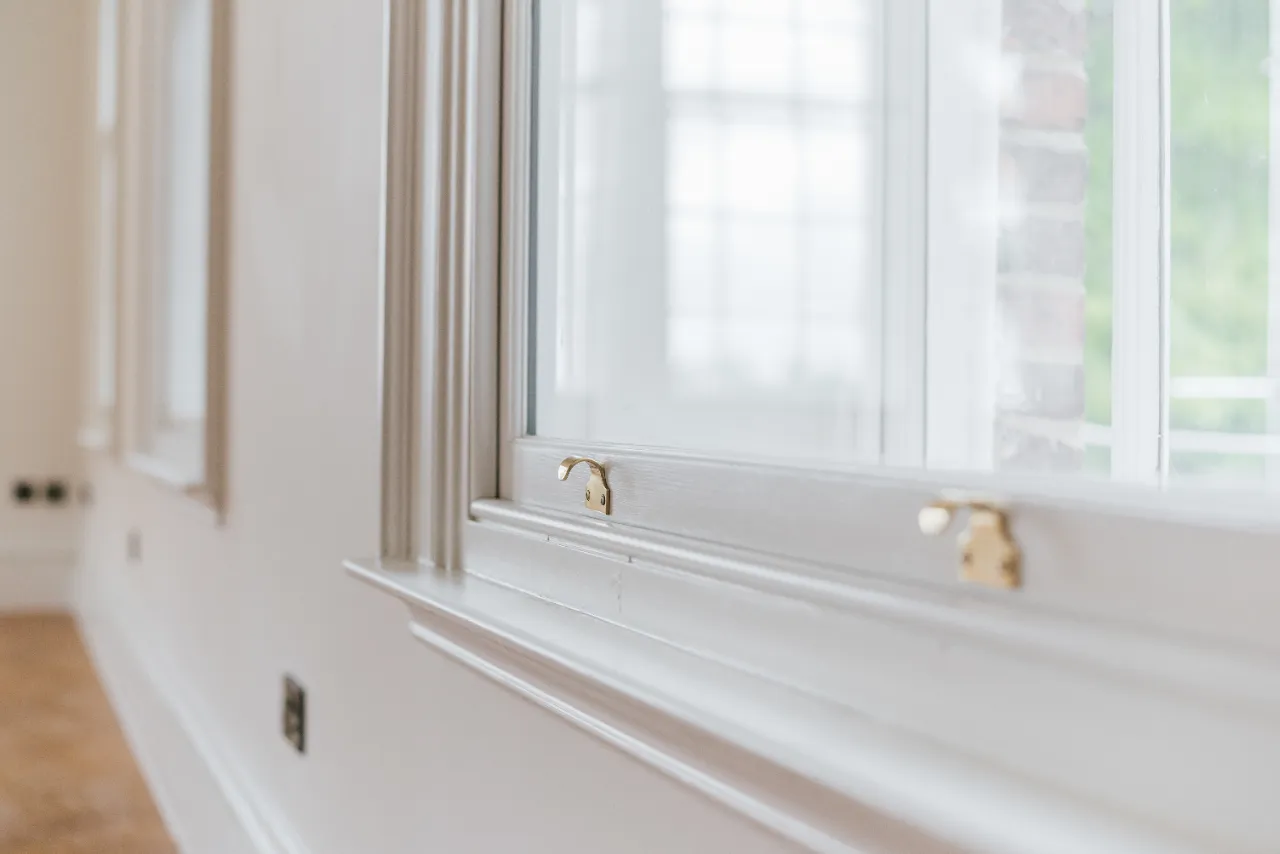
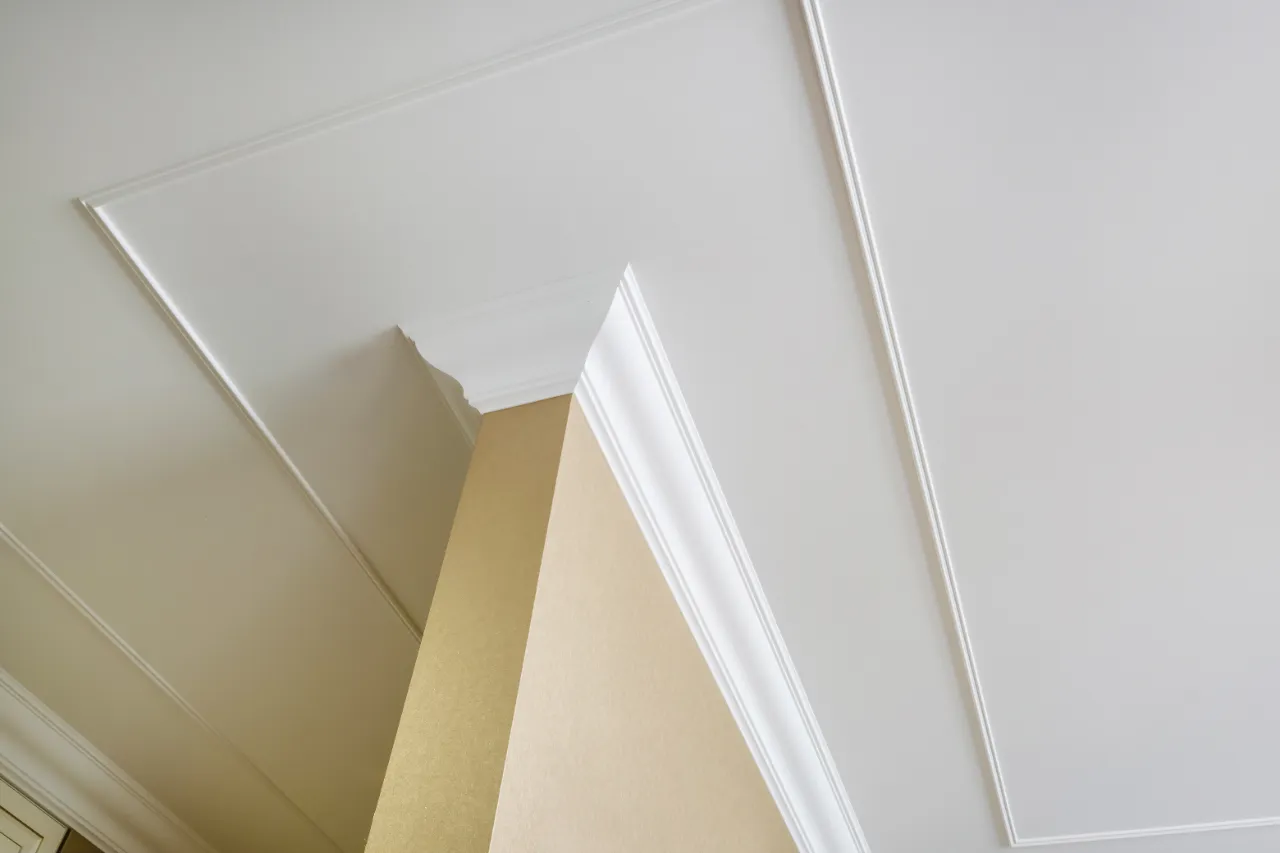
Interior trim in early homes was often shaped by hand with molding planes. Each house, and sometimes each room, has its own profiles. Casings may have a bead, an ogee or a stepped edge. Chair rails and cornices follow the style of the period. We start by taking a sample or tracing the profile from a sound piece. A profile gauge records the exact shape. That shape becomes the pattern for new trim. Photos of each profile are kept for future repairs.
New trim is milled to the traced profile from wood that suits the house. Pine and poplar are common choices for painted trim. Knives can be ground to match unusual profiles exactly. Where a profile is built from several pieces, each part is made and assembled. The new trim is tested against the old before installation. Small adjustments are made until the match is close. Once painted, the new and old pieces blend together. Owners can keep a sample of each profile on file.
Installation follows the house's original methods where it makes sense. Joints are coped or mitered to match how the original was done. Nails are set and filled. Gaps against uneven plaster walls are scribed, not caulked heavily. The repair disappears into the room. Owners keep the character that makes an early home special. Original trim that's sound is cleaned and left in place. New pieces fill only the gaps. Door casings are fitted around old doors that may no longer be square. Every room keeps as much original material as possible.
Chair Rail and Wainscot in Lancaster
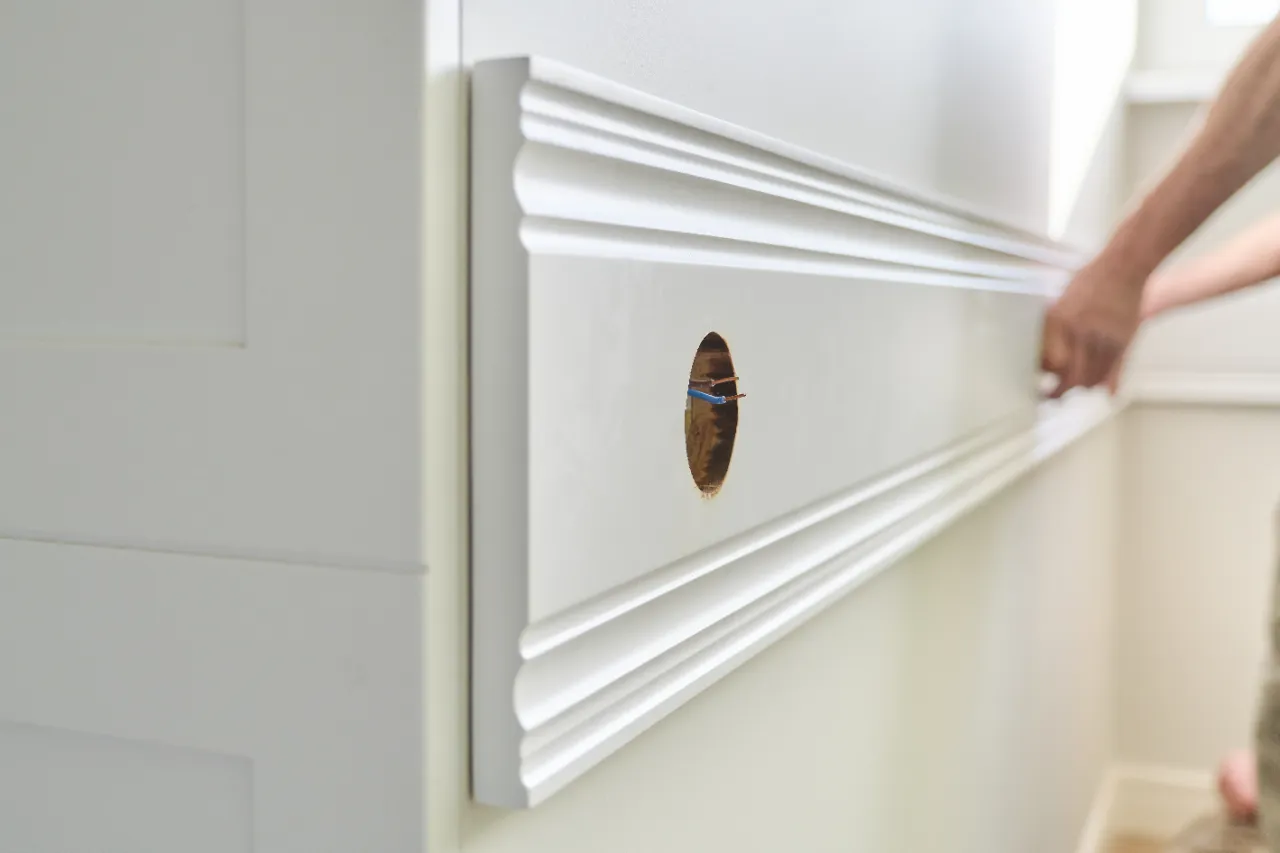
Many early Lancaster homes had chair rail and wainscot in their main rooms. Some were removed or damaged during later renovations. We rebuild missing chair rail at the original height, often found from paint lines on the wall. Wainscot panels or boards are copied from surviving examples. Cap moldings and baseboards are matched as well. The room's proportions come back to what they were. Old nail holes in the plaster help locate the original trim. Baseboards and caps are matched in the same rooms.
Built-in cupboards and window seats may need trim repairs too. Doors, face frames and moldings are copied to match the rest of the room. Cupboard doors are rehung where their hinges have worn. Moldings around the face frames are copied from sound pieces nearby. Shelves inside can be repaired at the same visit. Window seats get new tops or trim where they've split. Fireplace surrounds and mantels with damaged trim can be restored the same way. Each piece is matched to the room it sits in. Owners see samples before any piece is cut.
Planning Period Trim Work in Lancaster
Each room's trim is examined on a tour with the owner. Profiles are traced or sampled, and damaged or missing pieces are photographed. The free estimate lists each room, the profiles to be milled and the amount of trim. Custom knife costs are shown where a new profile is needed. Work is scheduled room by room. Painting or finishing can follow. Profiles are approved from sample pieces first. Leftover trim is labeled and left for future repairs. Owners keep a record of every profile.
Want the full picture of our work? See our trim installation in Massachusetts page.
Lancaster Rooms With Trim True to Their Age
Matching trim keeps an early home's character intact. Lancaster owners point to these results.
- New casings that match the originals
- Chair rail restored at its first height
- Wainscot copied from surviving pieces
- Joints made the way the house was built
- No heavy caulk against old plaster
- Cupboard trim repaired to match
- Sample pieces approved first
What Our Clients Say
Reviews from Massachusetts homeowners and property owners who worked with Hendo Construction Inc, straight from Google.


Trim Installation FAQs in Lancaster, MA
Straight answers for Lancaster owners about trim installation work. Still have a question? Call us.
 Questions about Lancaster? We answer them.
Yes. We trace the profile and mill new trim to match, using custom knives when needed.
Yes. We often find the original height from paint lines and copy the profile.
Once painted, the new pieces blend with the old. We test them against the original first.
Each room is listed with the profiles milled and the amount of trim, plus any custom knives.
Yes. Period moldings in Lancaster go up under our insurance, with a valid state HIC registration on file.
Other Services in Lancaster
-
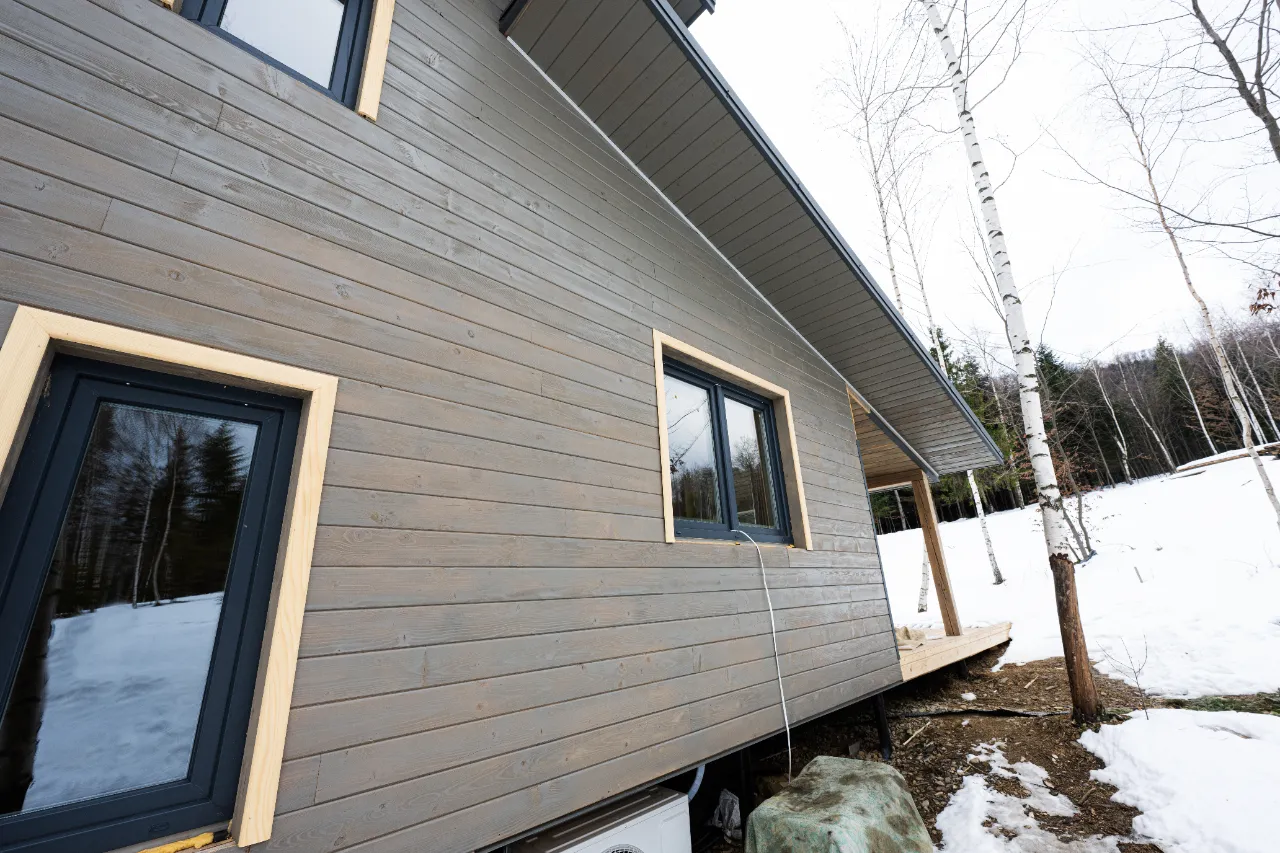 Siding in Lancaster
Lancaster early houses get clapboard replaced with a narrow exposure that matches their original period.
Learn More
-
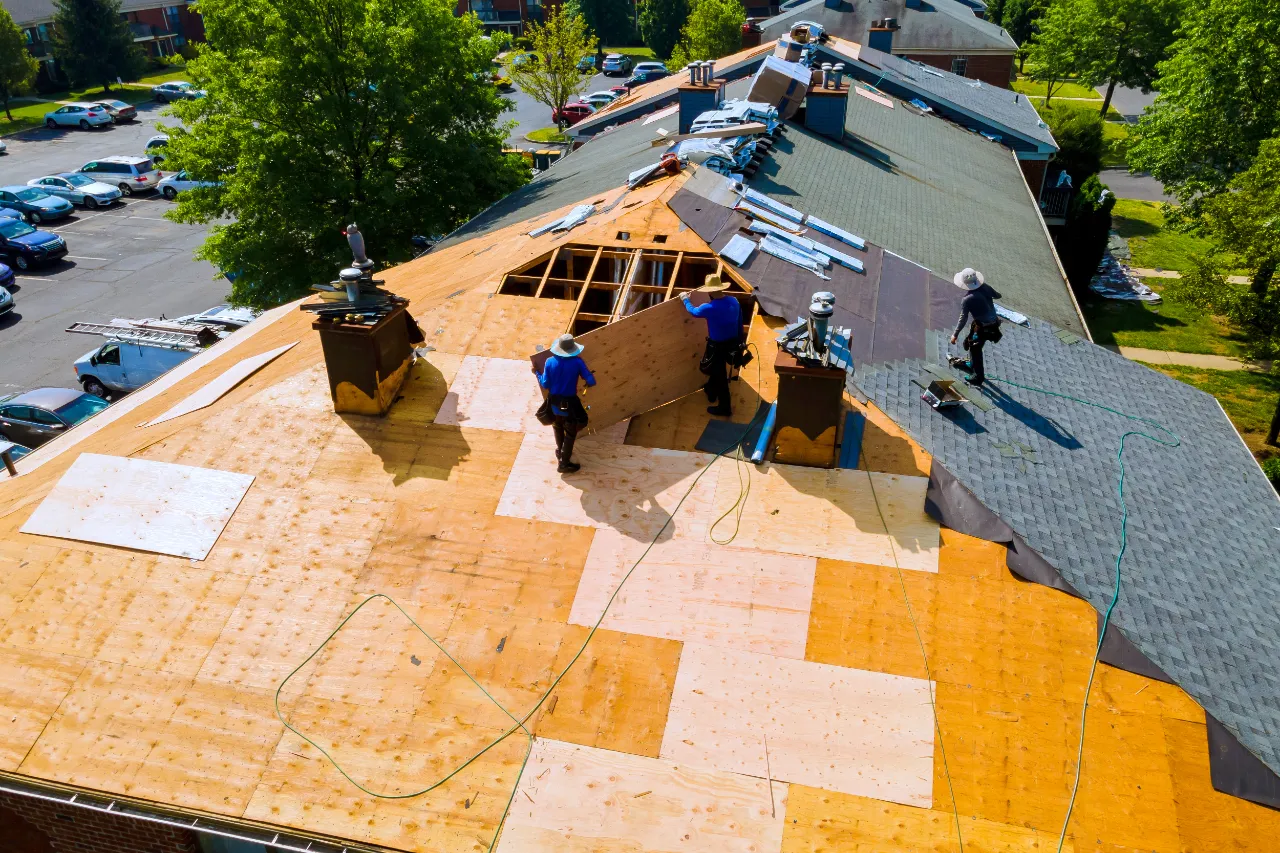 Roofing in Lancaster
Lancaster roofs on early homes are replaced, with cornice trim copied from the original pieces.
Learn More
-
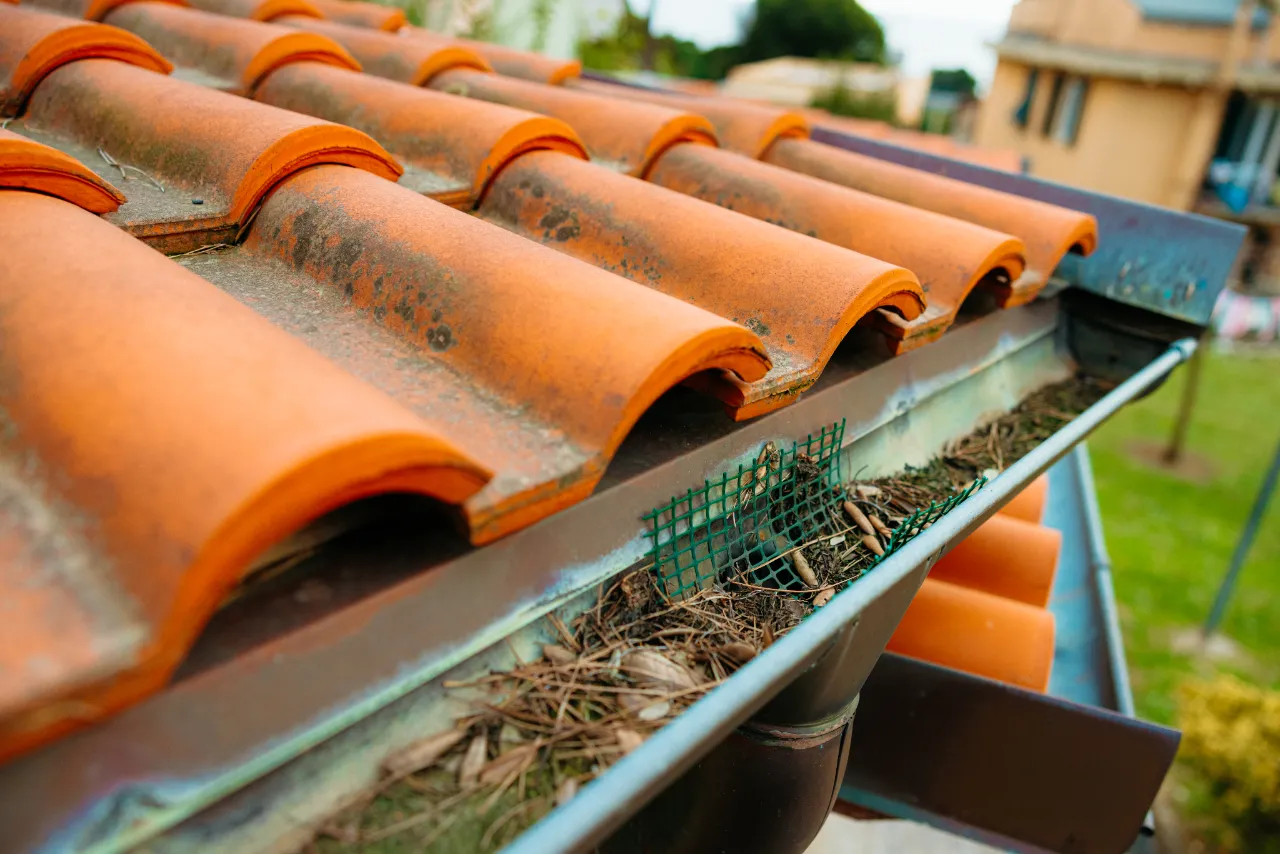 Gutters in Lancaster
Lancaster gutters on early homes hang so they never hide the cornice or rake trim.
Learn More
-
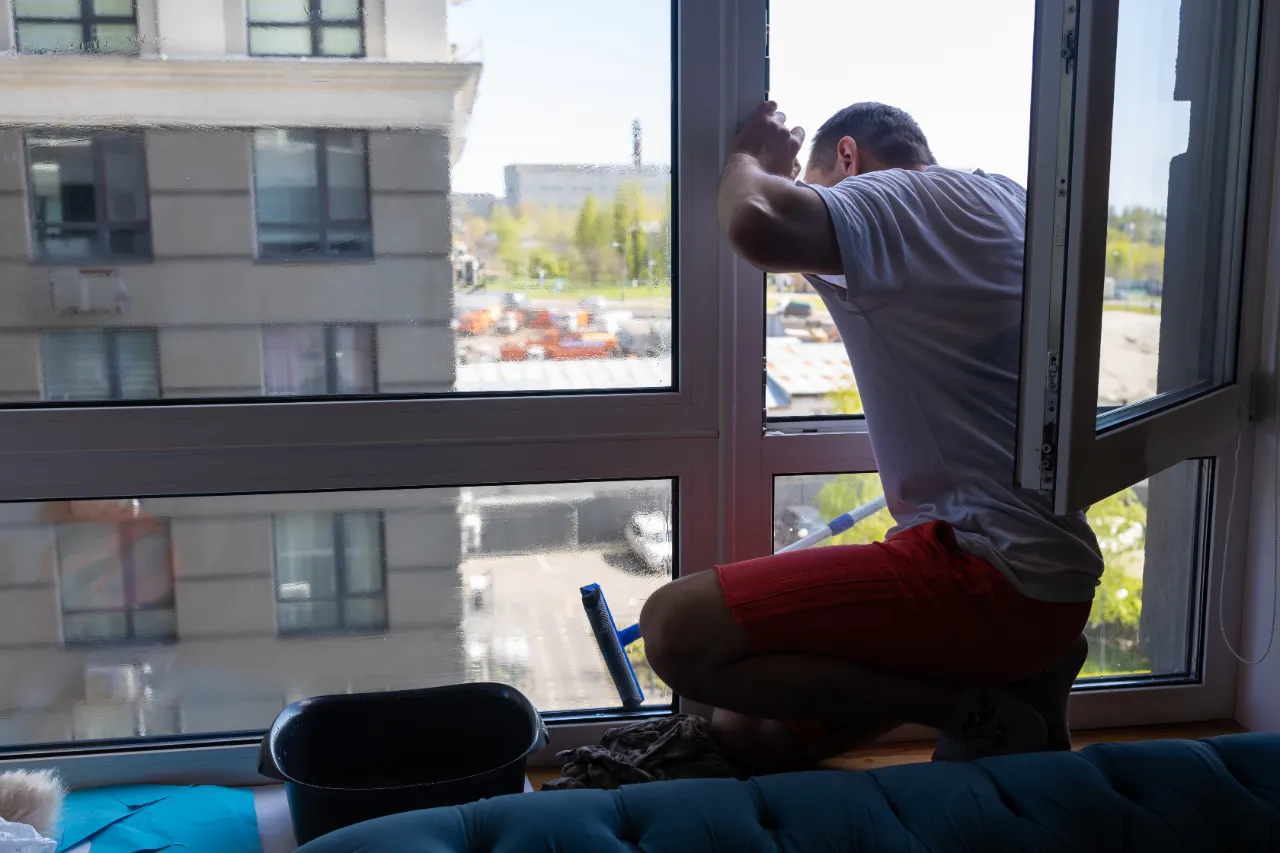 Windows in Lancaster
Lancaster six-over-six windows are swapped out, then finished inside with casings milled to match them.
Learn More
-
 Doors in Lancaster
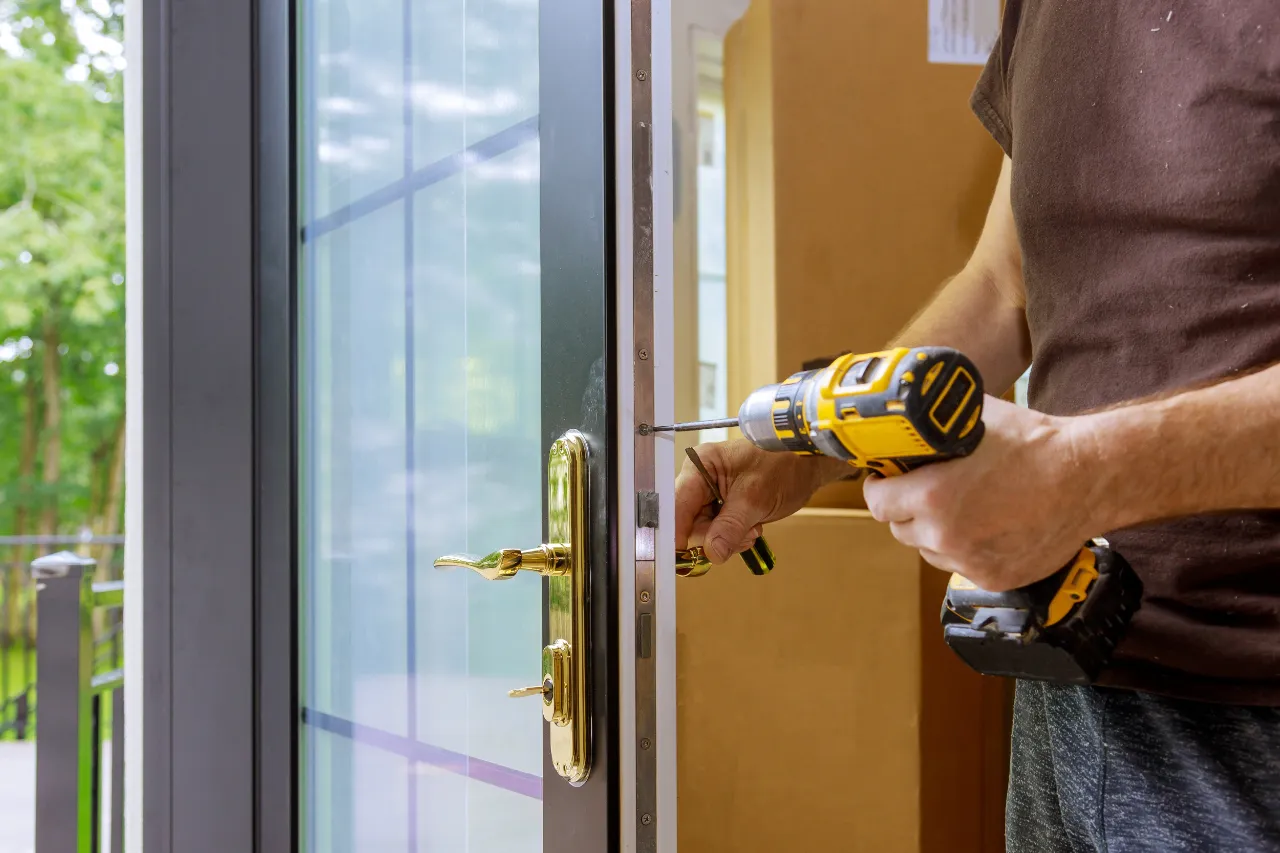
Lancaster interior doors are hung within casings milled to match each early home's own profiles.
Learn More
-
 Painting in Lancaster
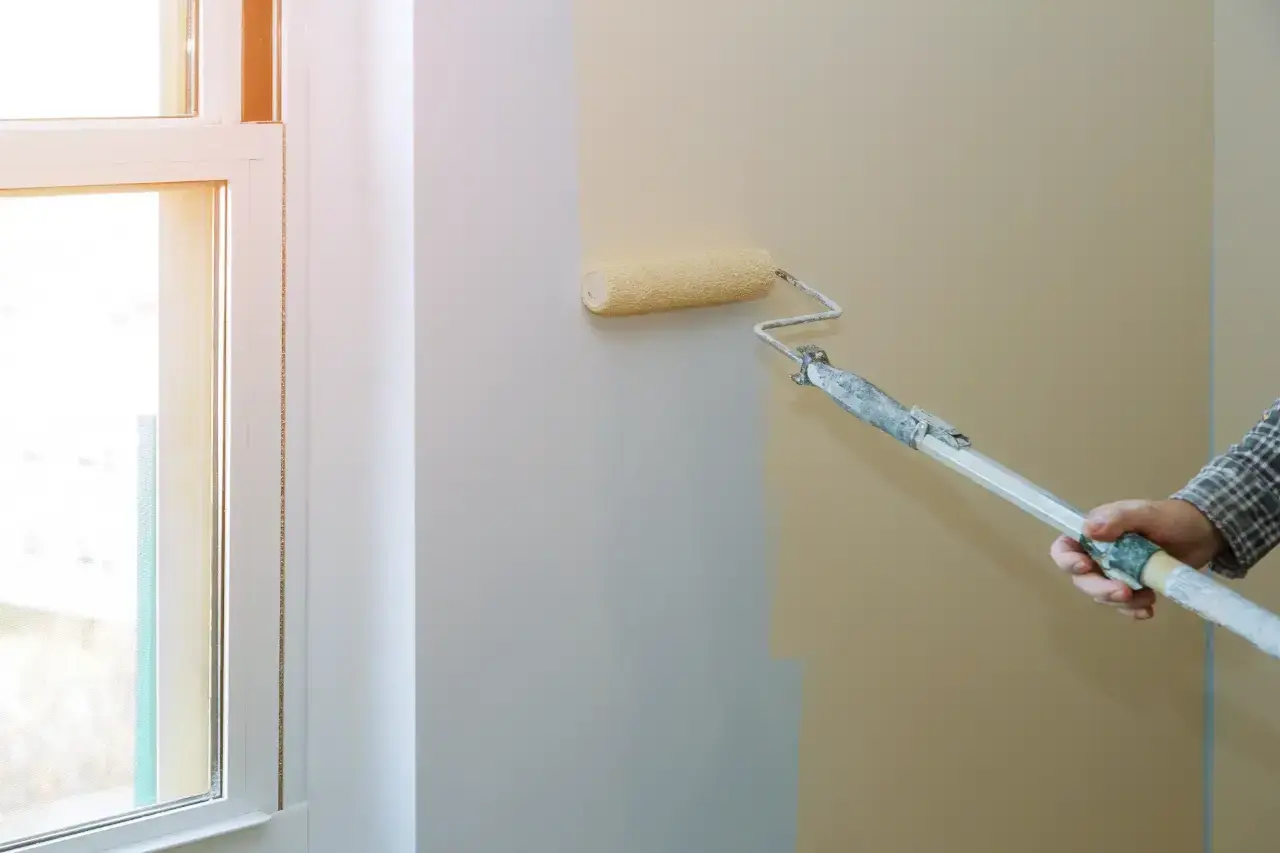
Lancaster woodwork is painted in historic colors with low-luster enamels that suit the early rooms.
Learn More