

Painting
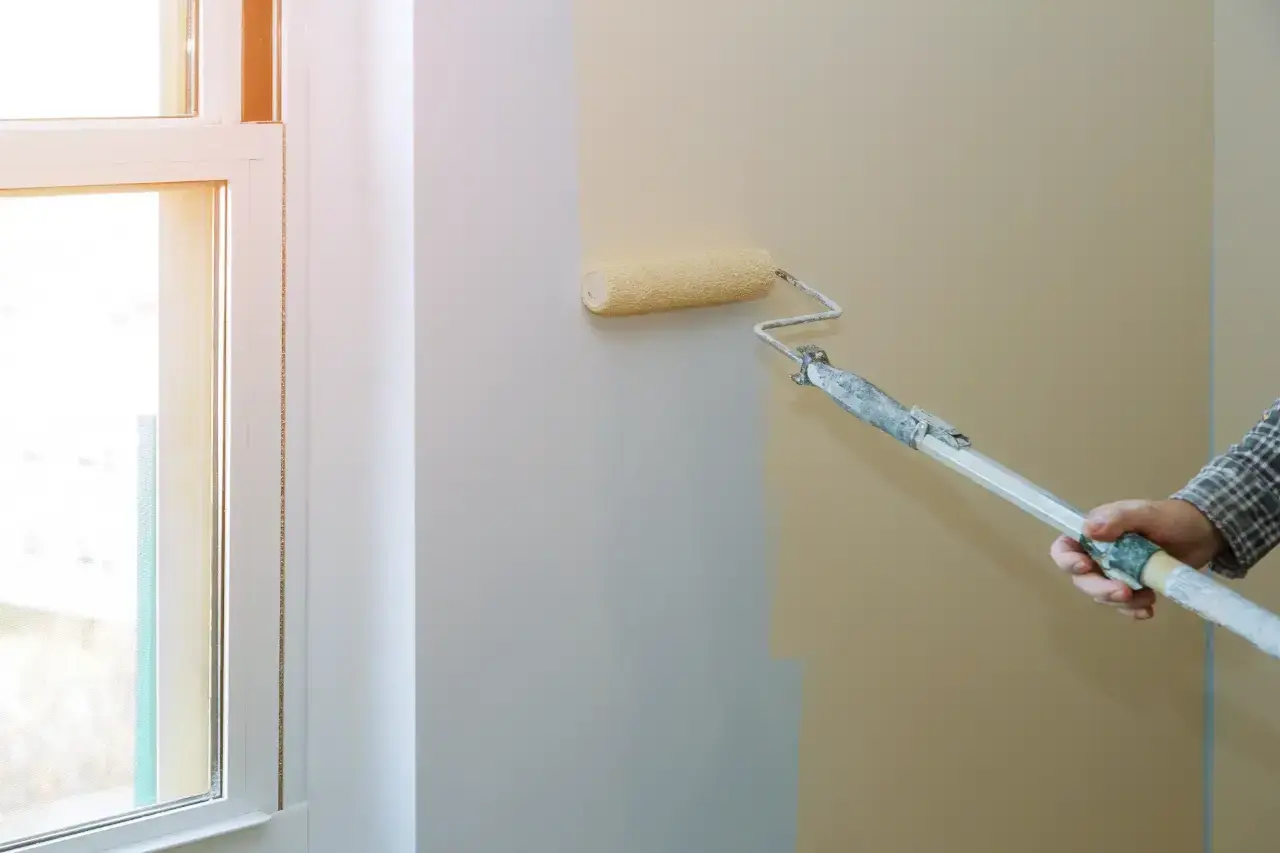
Interior, exterior and commercial painting that follows right after the trim work. Joints are sealed and new boards primed before any finish coat.
View Painting ServicesHendo Construction installs exterior and interior trim on houses and commercial buildings. Fascia, rake boards, corner boards and casings are cut, sealed and fastened to frame each wall. Rain runs off instead of soaking in.
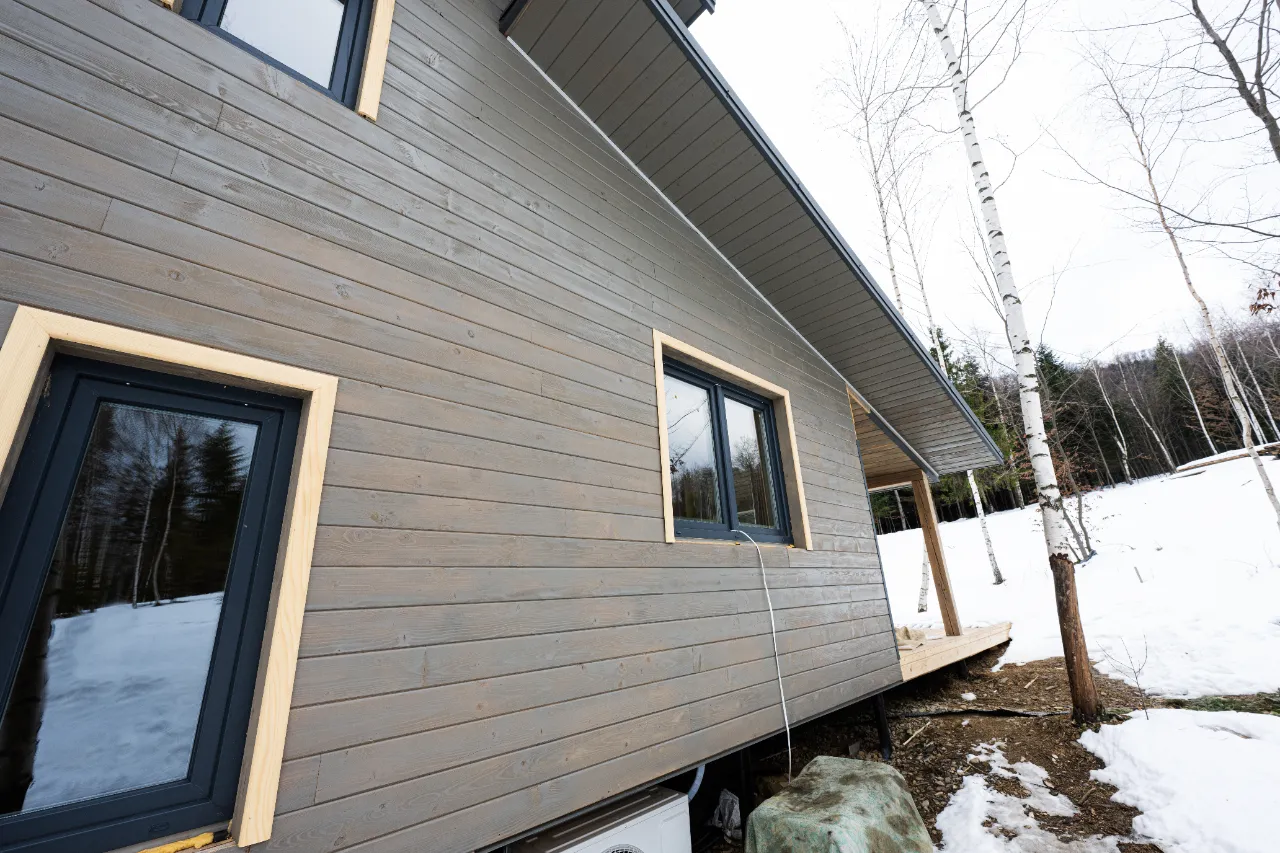
Trim installation in Massachusetts shapes how a building sheds water. Exterior trim frames every edge of the house: the roofline, the corners and each window and door. Those are the same places where two surfaces meet and water looks for a way in. A fascia board with an open joint lets rain reach the rafter tails. A corner board that sits tight to the ground wicks up snowmelt. Hendo Construction installs trim as part of the weather barrier, not only as decoration.
Trim work at Hendo Construction covers the full set of boards that finish a building. Outside, that means fascia, rake boards, soffit edges, frieze boards, corner boards and window and door casings. Inside, it means casings, baseboards and other finish trim around rooms. Each piece is measured on site and cut to fit the wall as it really is. The drawings are only a starting point. The estimate lists every run of trim, the material chosen and how each piece will be finished.
Trim installation requests come from both residential and commercial owners. On houses, the work often follows new siding, new windows or a repaint, when rotted boards finally come to light. On commercial buildings, trim covers long rooflines, storefront edges and entries that take daily wear. Hendo Construction schedules commercial work so entrances stay usable and work areas stay clear. On every building, trim lines are left straight and joints tight. The site is cleaned at the end of each day.
Exterior trim installation starts with removing the old boards and looking at what they were hiding. Rot often runs behind fascia where gutters overflowed, and under corner boards where snow piled up. Soft framing or sheathing is repaired before any new trim goes on. A trim board fastened to rotted wood will pull loose within a season or two. It may also hide the rot until it reaches the framing. Once the backing is sound, the crew checks each line for level and plumb. The new trim then reads straight from the street.
Every new exterior board is prepared before it goes up. Wood trim is primed on all sides, including the back and both ends. End grain soaks up water fastest, so cut ends are sealed again after every cut on site. Fasteners are corrosion-resistant and set at the spacing the trim material calls for. Joints along long runs are scarfed or lapped to shed water downward. Small gaps are left where the material needs room to expand during hot summer afternoons. Without them, long boards buckle or push their joints open.
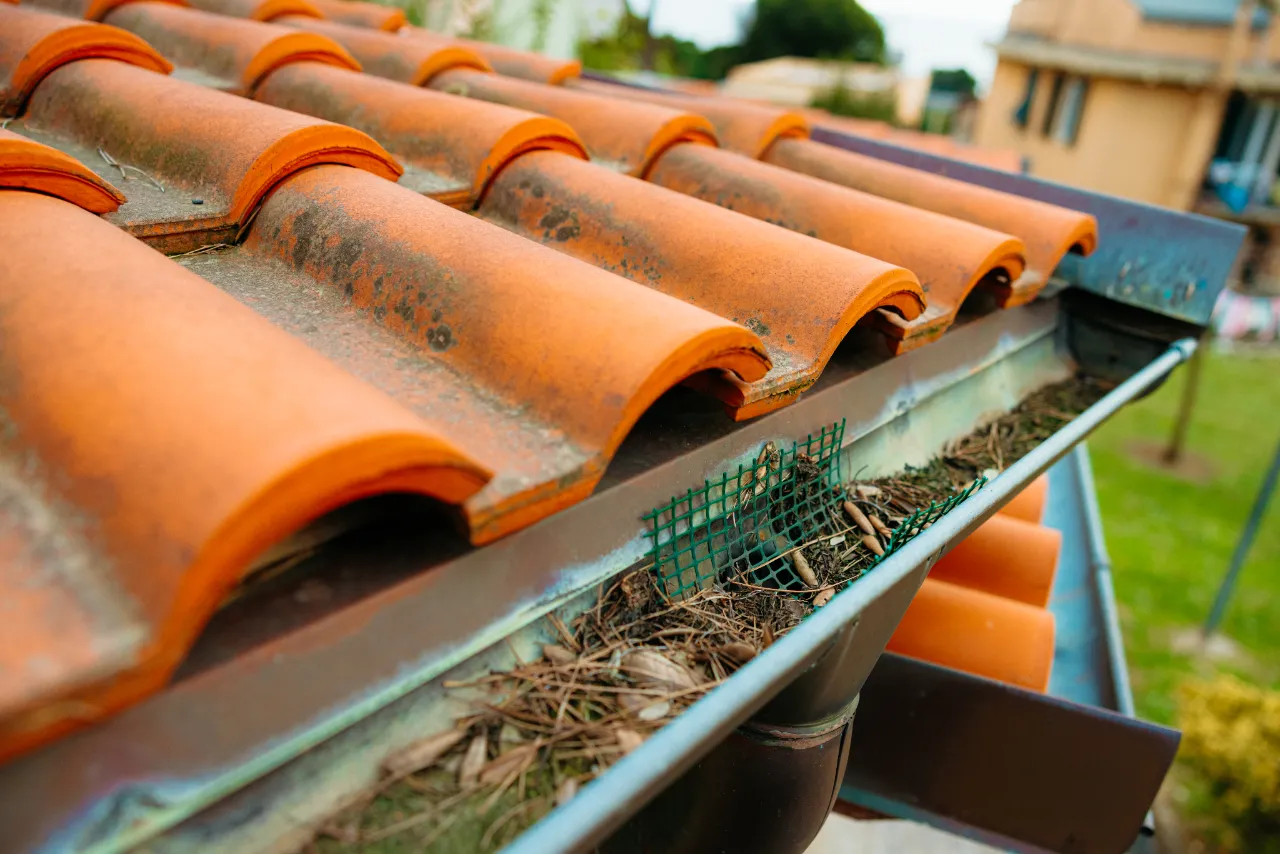
Water control is built into the layout. Fascia is set so the roof's drip edge laps over it, and gutters hang on solid boards. Corner boards end a few inches above grade, out of reach of splashback and plowed snow. Head trim over windows and doors gets flashing above it, so water runs out over the face of the board. Joints between trim and siding get flexible sealant where the siding system allows it. The finished trim is ready for paint or arrives prefinished. Either way, every edge is closed before the crew moves on.

Every trim job follows the same order, whether it is one rotted corner board or a full house. The first step is a walk around the building with the owner to mark every damaged or missing piece. The crew probes suspicious boards with an awl, since paint can hide rot that has gone deep. Each problem area is marked and listed. That list becomes the scope in the estimate. The owner sees exactly which boards will be replaced and why.
Removal comes next, done carefully so the siding, roofing and windows next to each board are not damaged. Old nails are pulled, and the backing is cleaned and checked. Any repairs to framing, sheathing or flashing happen while the area is open. Then new trim is measured in place, cut and dry-fitted before final fastening. A dry fit shows any gap before glue or nails make it permanent. Miters at corners and returns at the ends of boards are glued and pinned. That keeps the joints closed through the seasons.
The last step is finishing the trim and the area around it. Nail holes are filled, joints are sealed where needed and the trim is primed for paint or left prefinished. Hendo Construction also paints, so the finish coat can follow right after installation. The work area is cleaned of cutoffs, nails and dust at the end of every day. Before the crew leaves, the owner walks the job and checks each run of new trim against the estimate. Any loose end is handled on the spot.
Trim quality matters in Massachusetts because the climate works on wood all year. Winter freezes any water trapped in joints and pushes them open. Spring rain and snowmelt soak the low edges of the building. Summer heat and humidity swell wood, then dry it out again in fall. Poorly installed trim cracks at the miters, cups along its face and pulls away from the wall. Well-installed trim moves with the seasons and keeps its joints tight. The difference shows after the second or third winter, when cheap work starts to open up.
Rotted trim is rarely just a trim problem. Water that gets behind a fascia board reaches the rafter tails and the roof sheathing above. Water behind a corner board or a window casing can soak the wall sheathing and framing. Left alone, that damage spreads quietly for years before it shows inside. Replacing trim before the rot goes deeper keeps repairs small. That is why each trim job starts with checking what sits behind the old boards. Finding rot early is the simplest way to keep repairs small and affordable.
Material choice also affects how long trim lasts. Some materials hold paint well but need more care at joints and ends. Others resist rot and insects and need less upkeep, but they move more with temperature. The estimate explains the trade-offs for each part of the building, such as fascia, corners and window casings. Owners can mix materials where it makes sense. Under Massachusetts rules, trim jobs at an owner-occupied home count as home improvement, so hire a registered contractor.
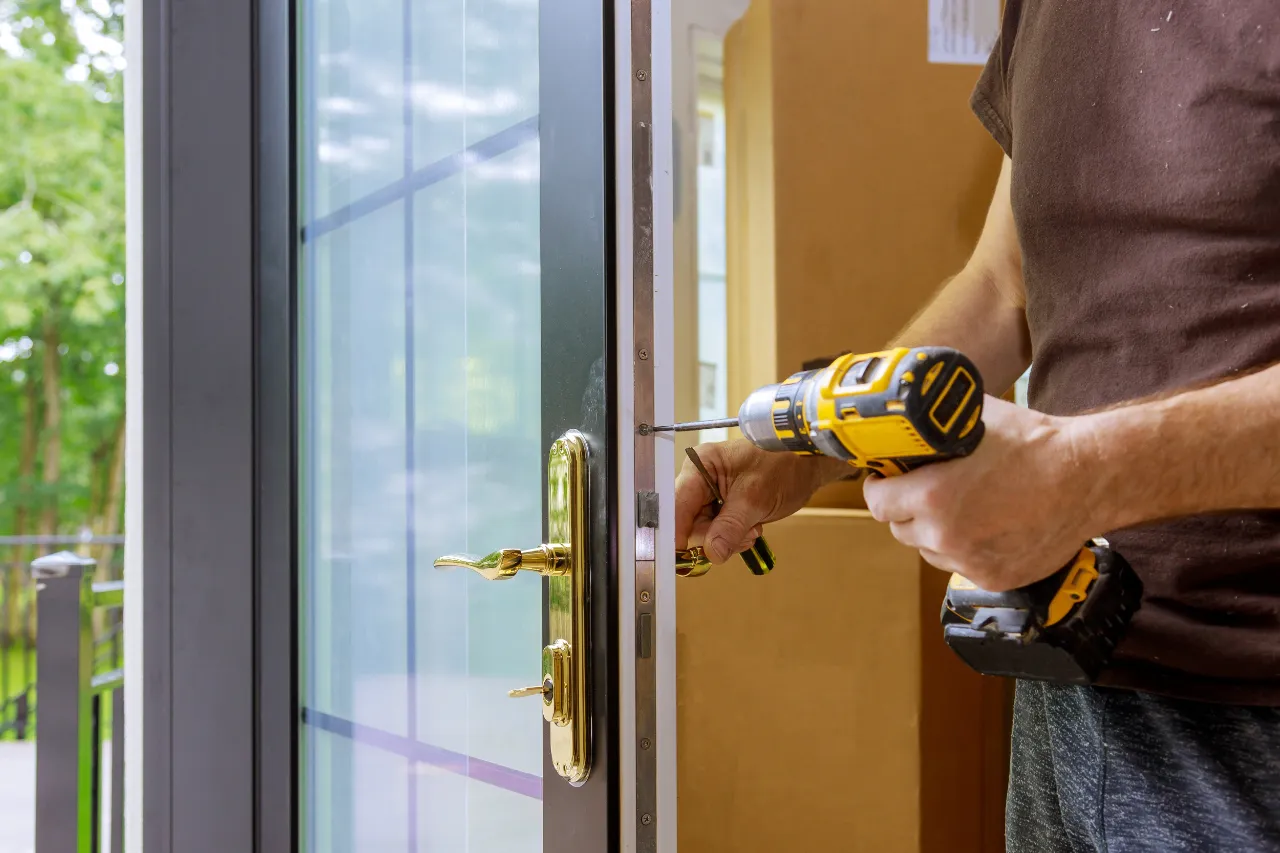
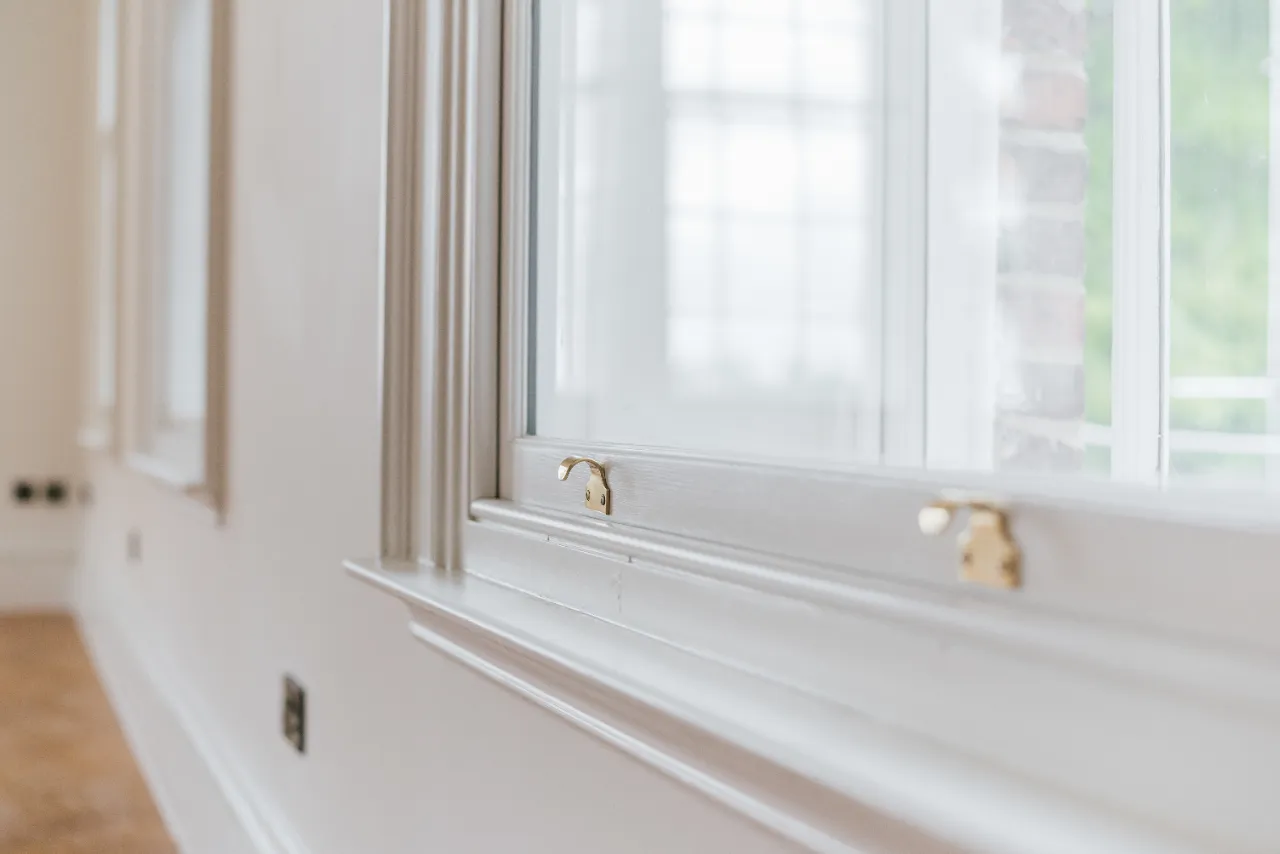
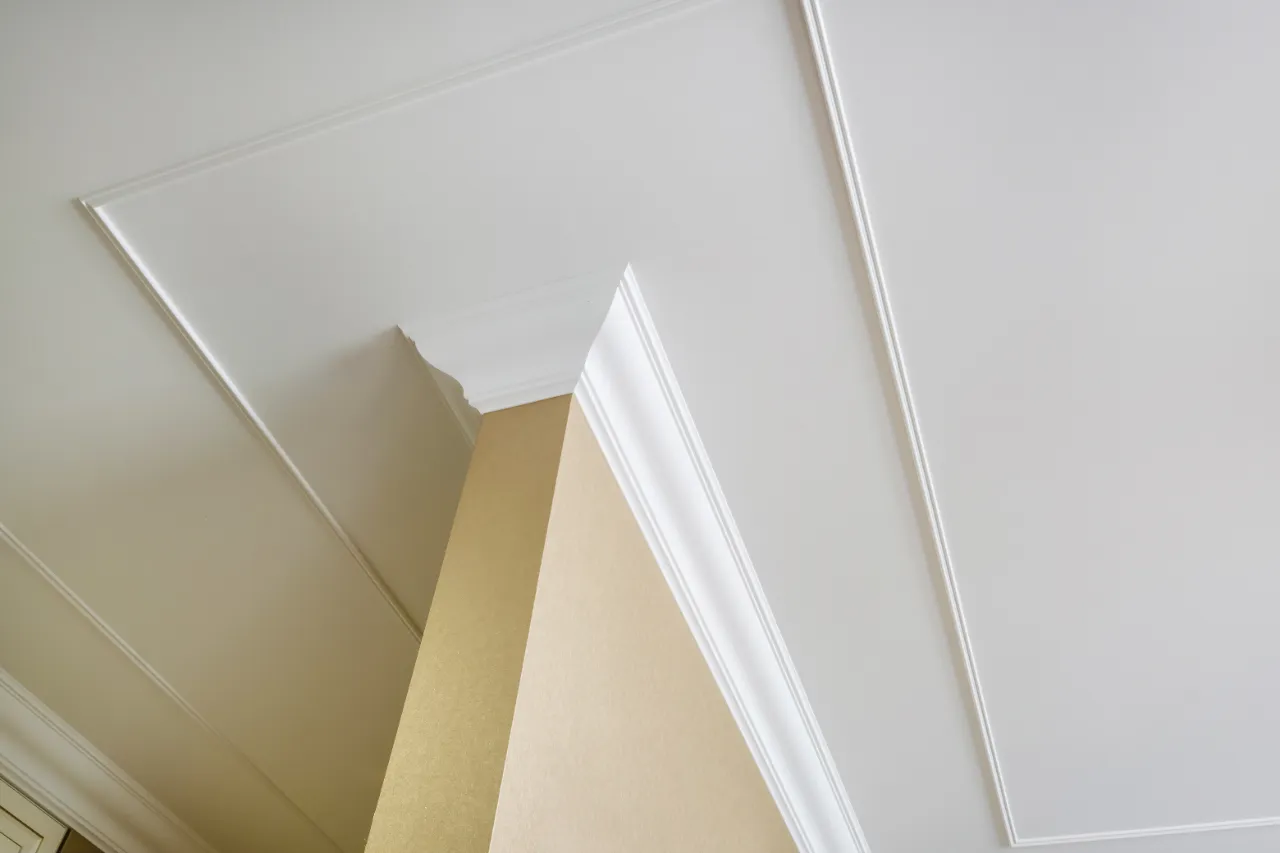
Interior trim installation covers the casings around doors and windows, baseboards and other finish boards inside a home or business. Walls and floors are rarely perfectly straight, especially in older Massachusetts houses. Each piece is scribed or shimmed to sit tight against the surface it meets. Outside corners are mitered, and inside corners are coped so they stay closed as the house moves. The result is a clean line from room to room, with no gaps to fill later. Existing profiles can be matched when only part of a room needs new trim.
Interior trim is fastened into framing, not only into drywall, so it stays put through years of use. Joints are glued where they meet, and nail holes are filled and sanded smooth. Trim can be primed and painted on site by the same crew. Rooms are protected during the work, and dust is cleaned up at the end of each day. The estimate lists each room, the trim profiles chosen and the finish work included. Furniture near the walls is moved and put back by the crew.
Commercial trim work covers rooflines, storefront edges, entries and interior finish in offices and rental buildings. These areas take more wear than most homes, from deliveries, carts and steady foot traffic. Trim near entrances is chosen and fastened to hold up to that use. Long fascia runs on commercial roofs are joined and supported so they stay straight over time. Work is planned in sections, keeping the entrance open to customers and tenants. Lifts or staging are set up only where and when they are needed.
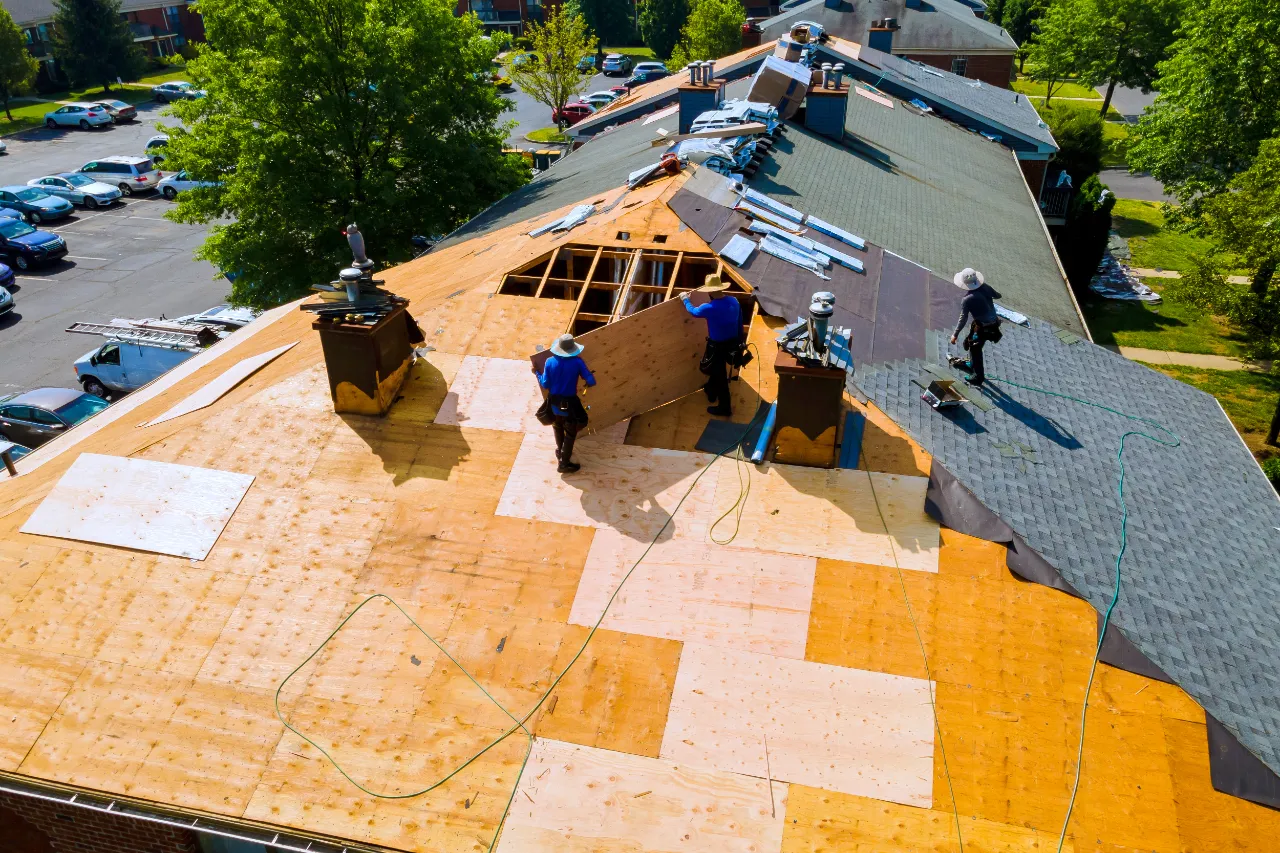
Commercial trim projects often follow other exterior work, such as a roof, gutter or siding project. Coordinating the trim with that work keeps the edges of the building consistent. Damaged boards found during the job are listed and shown to the owner before replacement. Work areas are kept safe with clear signs and paths. At the end of each day, the site is cleaned so the business can open on time the next morning. Cutoffs and old boards are hauled away, not left in a pile.
New trim that is sealed, fastened and laid out correctly protects the edges of a building for years. Here is what owners notice after trim work on a Massachusetts property.
Fascia that stays solid behind gutters through snowmelt season
Corner boards clear of snow and splash at the ground
Window and door casings that shed rain instead of holding it
Miters and joints that stay closed through freeze and thaw
Rot found and repaired before it reaches the framing
Straight, even trim lines that sharpen the look of the building
Trim ready for paint, or prefinished to cut future upkeep
Are trim boards soft, cracked or pulling away from the wall? A free trim estimate lists every board to replace and how it will be finished.
Get Free EstimateReviews from Massachusetts homeowners and property owners who worked with Hendo Construction Inc, straight from Google.
Straight answers to the questions owners ask most about trim work. Still have a question? Call us.
 Questions? We answer them.
We remove the damaged boards, repair any rot behind them and install new fascia, corner boards or casings. Every cut end gets sealed, the joints are closed up and the trim is left ready for paint or prefinished.
Trim prices are never posted online. The total hinges on how many boards you're replacing and how high they are. The material you pick and rot repairs behind them matter too. Your free estimate lists every run of trim.
It depends on your town and the size of the job. Swapping a few boards is often treated as ordinary repair, but larger work may need a permit. Check with your local building department.
Small repairs often take a day or two. Full exterior trim work depends on the building's size, height and how much rot turns up behind the old boards. We'll give you a start date and duration when we quote.
Yes. Trim jobs are covered by our Massachusetts license, our home improvement registration and our insurance. On owner-occupied homes, the state's Home Improvement Contractor rules apply, so check that registration.
Interior, exterior and commercial painting that follows right after the trim work. Joints are sealed and new boards primed before any finish coat.
View Painting ServicesNew or replacement siding: vinyl, composite and vinyl shingle. Courses finish tight against new corner boards and new window casings on every wall.
View Siding ServicesRoof repair and replacement, flat roofing and storm work. New drip edge laps over fresh fascia, so water falls straight into the gutters.
View Roofing ServicesSeamless gutters hung on solid new fascia, plus guards, cleaning and repairs. Overflowing water no longer soaks the new wood trim behind them.
View Gutter ServicesReplacement windows and units in new openings, each flashed into the wall. Exterior casings and head flashing send rain clear of every opening.
View Window ReplacementFront, side and back doors installed over sealed sills in frames set square. New casings inside and outside finish every single opening cleanly.
View Door Installation